
Who We Are
A Registered Community-led Conservation Organization based in Kajiado, Kenya — established in 2021 and run by over 200 community members.
Restoring acacia habitats, together
Acacia Habitats Restoration and Adopt Ostrich Nests Initiative is a Registered Community-led Conservation Organization based in Kajiado, Kenya. It was established in 2021 with the aim of fostering restoration and conservation of the diminishing acacia habitats, saving endangered wildlife species and combating illegal trade on ostrich eggs through community adoption of ostrich nests program.
It is run and managed by over 200 community members working hand in hand with conservationists, institutions, government and private sector as well as local and international partner organizations.
Our Mission
To foster the restoration and conservation of Kenya's diminishing acacia habitats, save the endangered wildlife that depends on them and end the illegal trade in ostrich eggs — through community-led action, education and sustainable livelihoods.
Our Vision
Thriving acacia landscapes where wildlife and communities flourish together.
Registered
community-led CBOAcacias: the beating heart of the African savanna
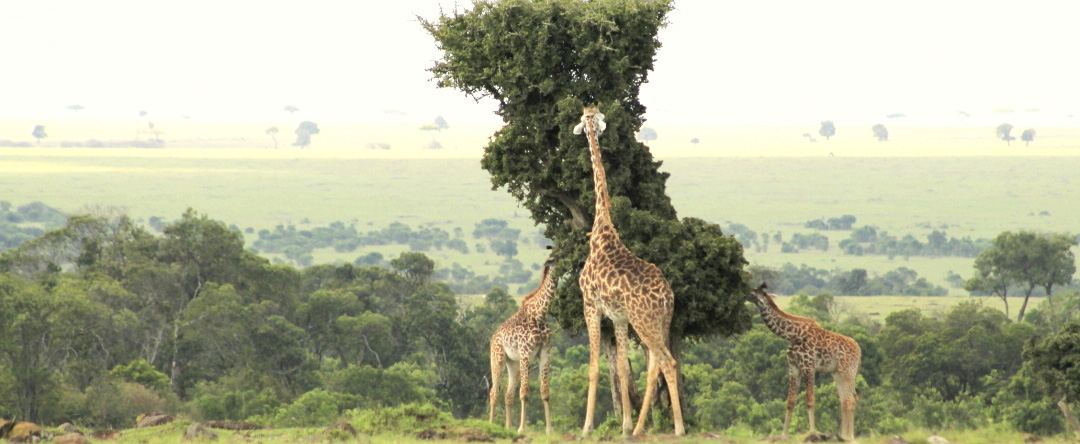
Acacias are iconic indigenous trees covering the African savanna landscape. Since time immemorial most African communities have had intimate dependency on the acacia habitats for ecological, cultural and socio-economic value. Acacia species in Kenya are as varied as the habitats, with 4 out of the 62 species recorded in East Africa being endemic to Kenya.
Acacia trees grow and adapt under different environmental conditions, making them resilient habitats for endangered wildlife, effective in mitigating climate change and vital for ecosystem services. A huge percentage of Kenya is arid and semi-arid land characterised by acacia habitats — yet recent studies show a continued decline of acacia trees due to deforestation, charcoal burning, increasing settlements, climate change and other human-induced factors.
0
acacia species recorded in East Africa
0
species endemic to Kenya
We conserve acacia habitats & endangered wildlife through:
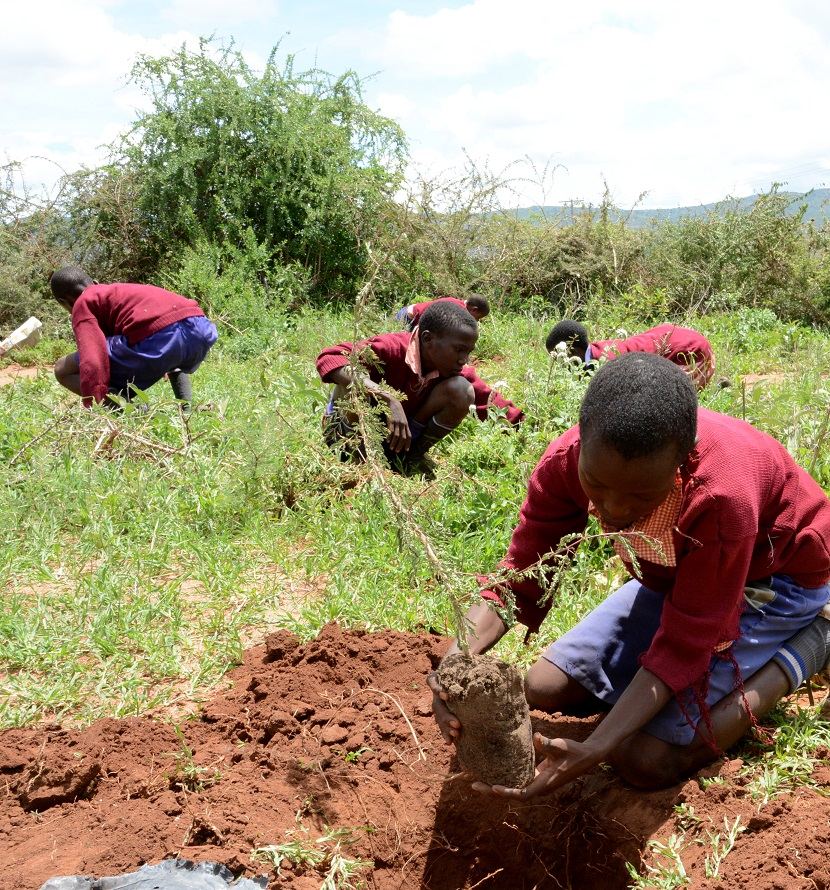
Empowering local communities, institutions and organizations on the ecological, cultural and socio-economic values of acacia trees and their suitability in mitigating climate change.
Conservation of endangered wildlife that depends on acacia habitats for survival.
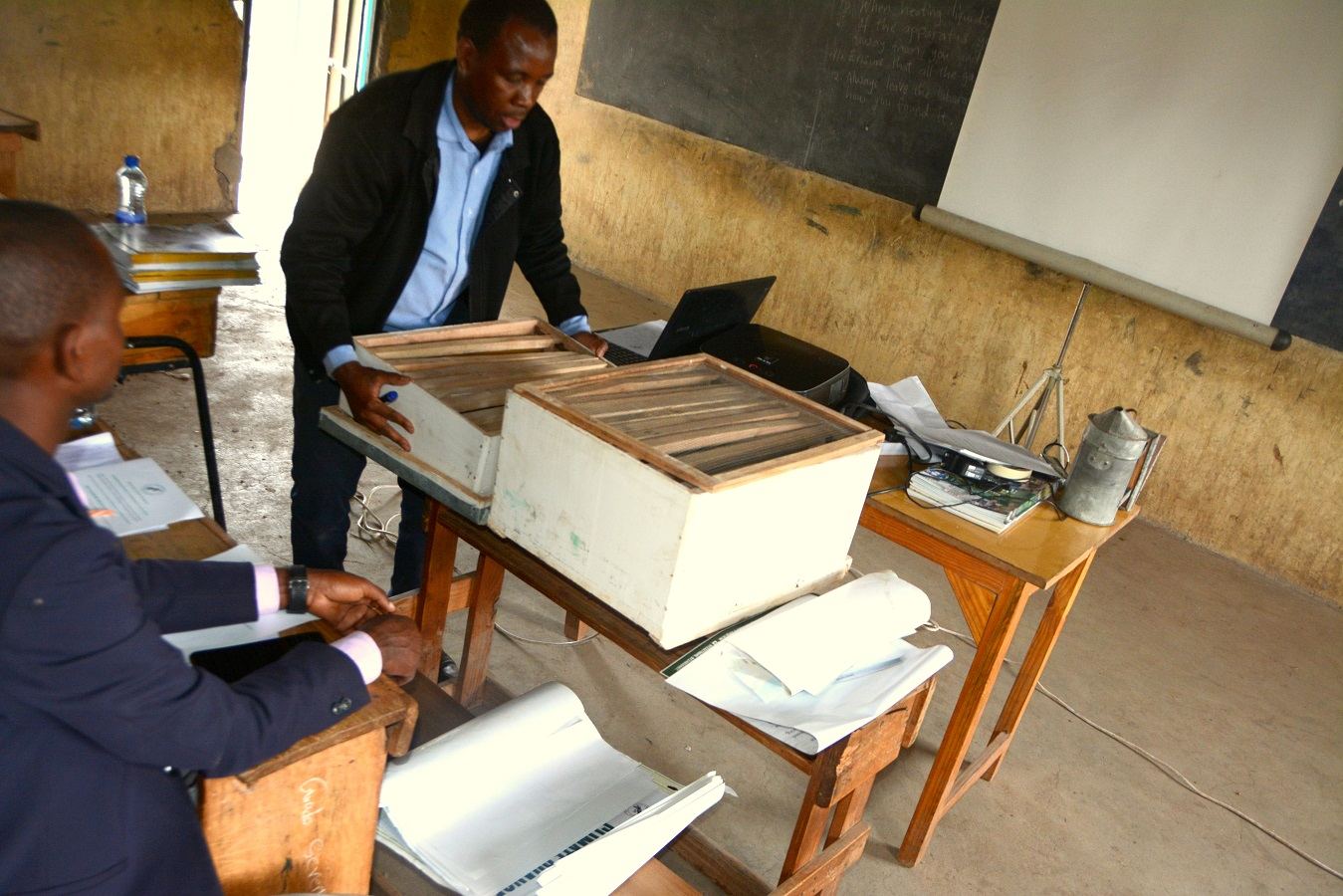
Hands-on training and support on innovative methods of identifying, propagating, growing and managing various acacia tree species.
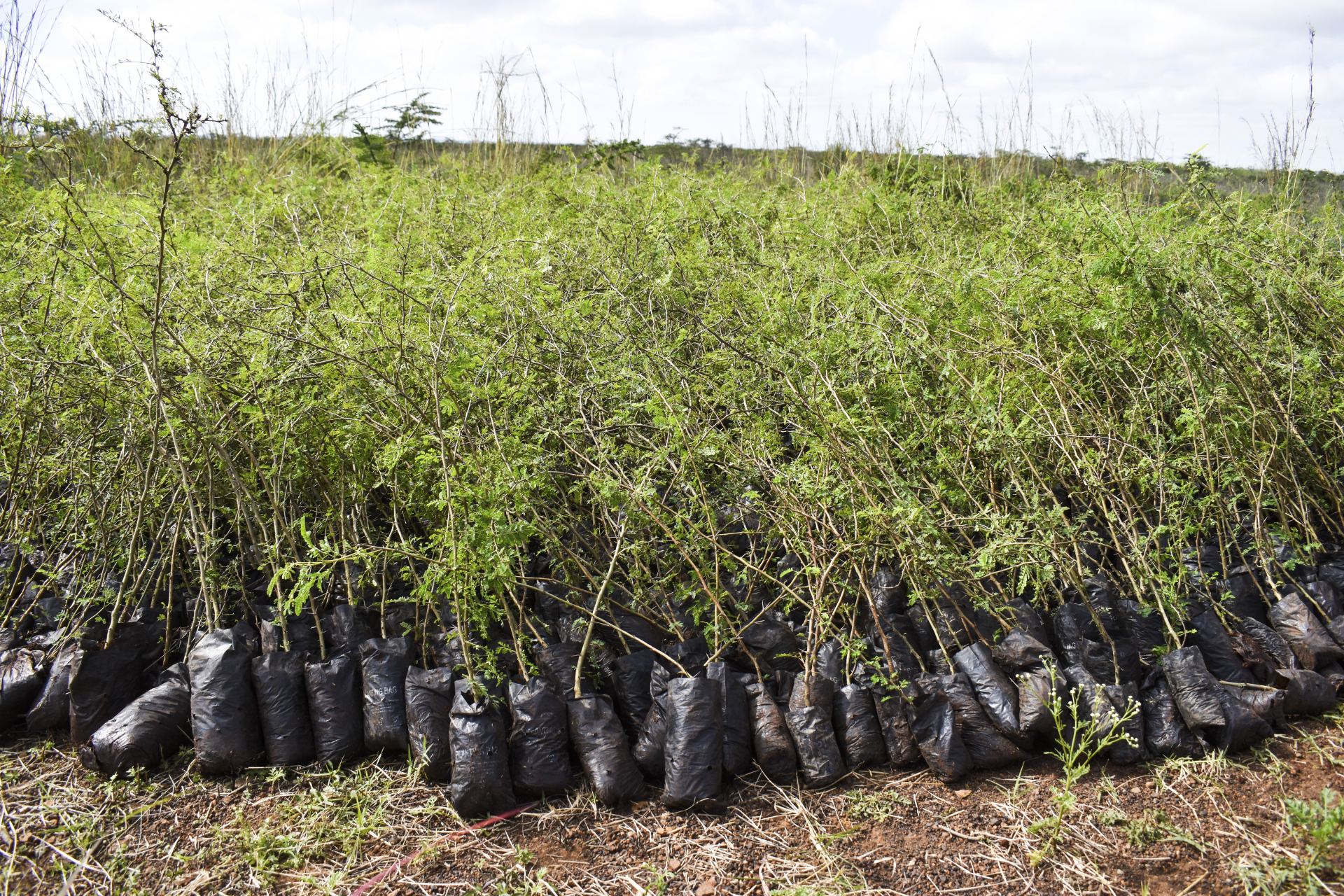
Technical guidance and donation of assorted acacia tree seeds and seedlings for restoration of degraded habitats.
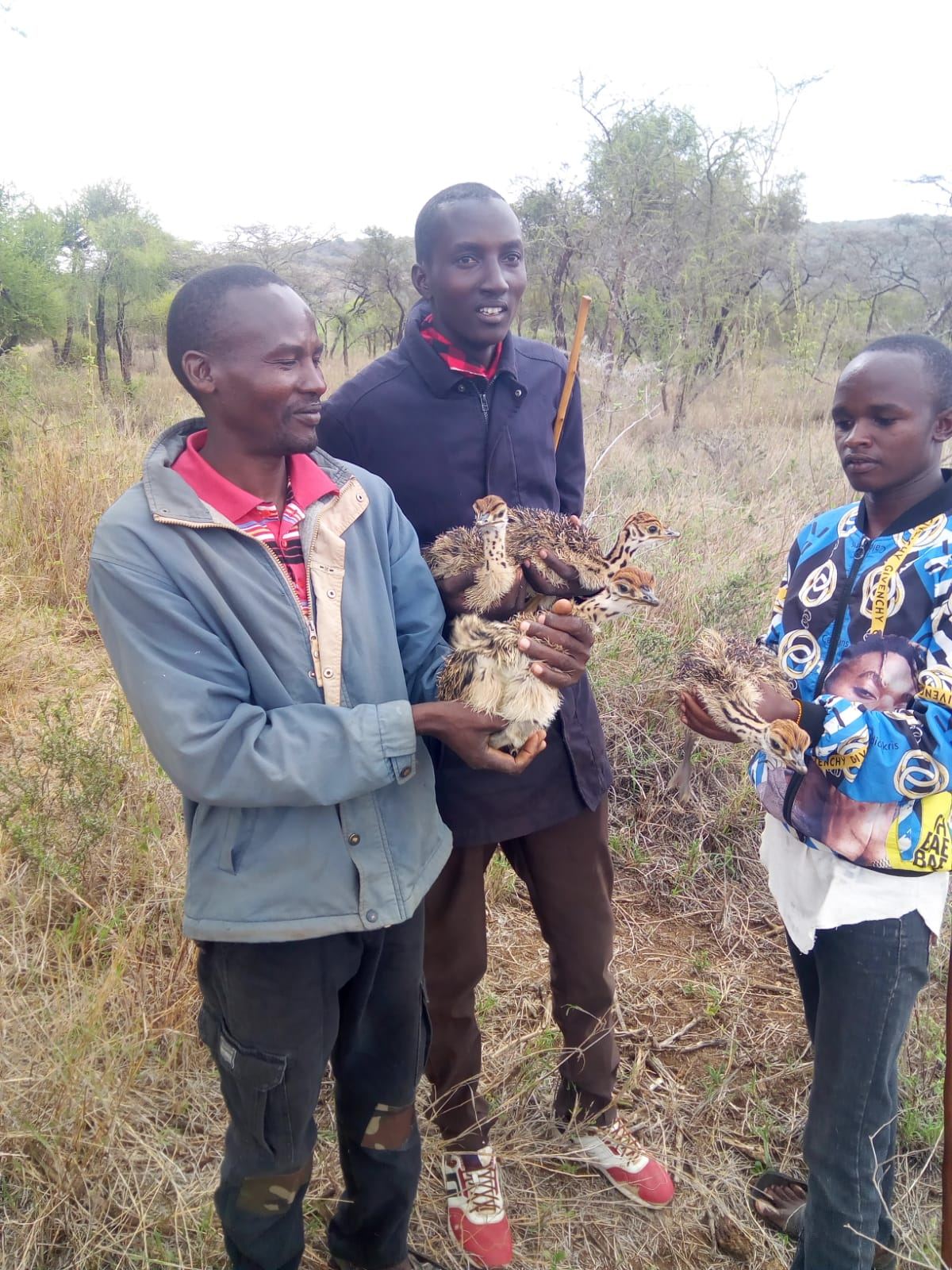
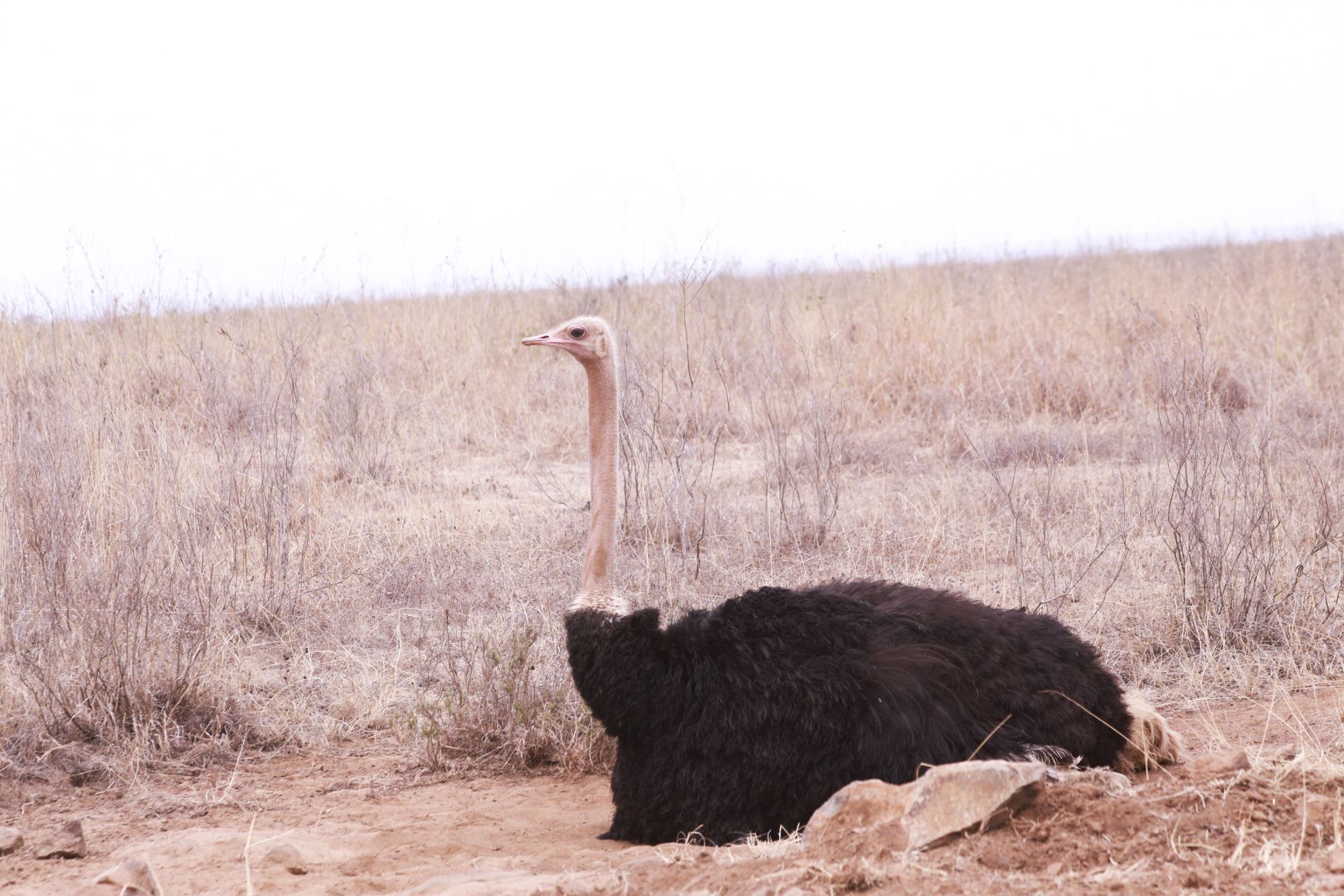
Addressing illegal trade in ostrich eggs through a community-led ostrich nests adoption and monitoring program.
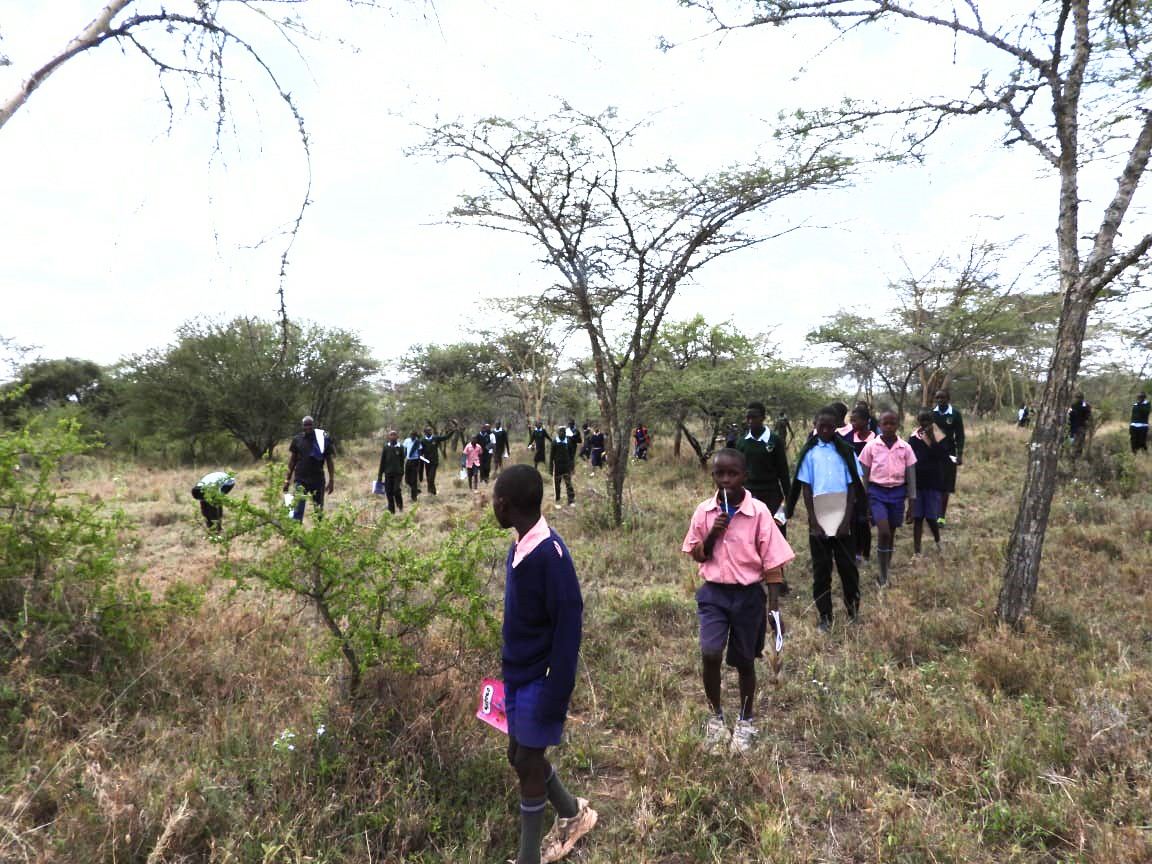
Outreach conservation education, nature interpretation, field ecology experiential learning and excursions to key acacia wildlife habitats.
Establishment of alternative sustainable conservation livelihood initiatives to ease community pressure on acacia habitats.
Capacity building on how to track and measure the impact of conservation education programs.
Designing and production of conservation materials and audiovisual tools for education.
From a local response to a landscape movement
Escalating illegal trade in ostrich eggs sparks a community-led response to adopt and monitor nests.
The initiative is registered as a community-led conservation organization in Kajiado, Kenya.
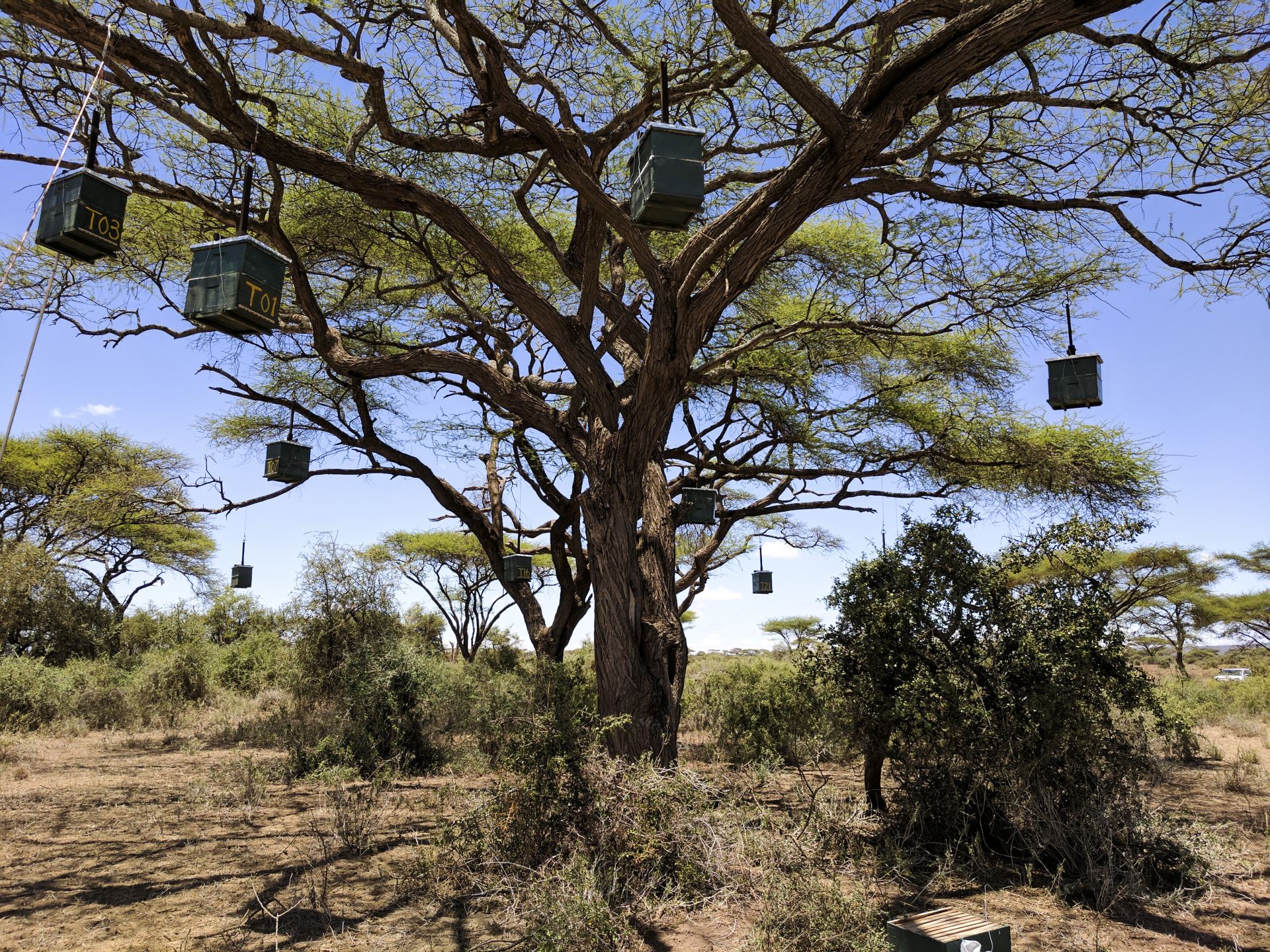
3,000+ acacia seedlings planted, 45 beehives installed and 1,850+ people empowered across 10 schools.
237 juvenile Masai ostriches safeguarded; scaling into the Magadi ecosystem and Amboseli landscape.
0
Acacia seedlings raised & planted
0
Juvenile Masai ostriches safeguarded
0
Community members run the initiative
0
Students empowered
0
Community members trained
0
Teachers trained
0
Partner learning institutions
0
Langstroth beehives installed
How we make a difference
The people behind the initiative
Over 200 community members run and manage the initiative, supported by a dedicated core team.
Leadership
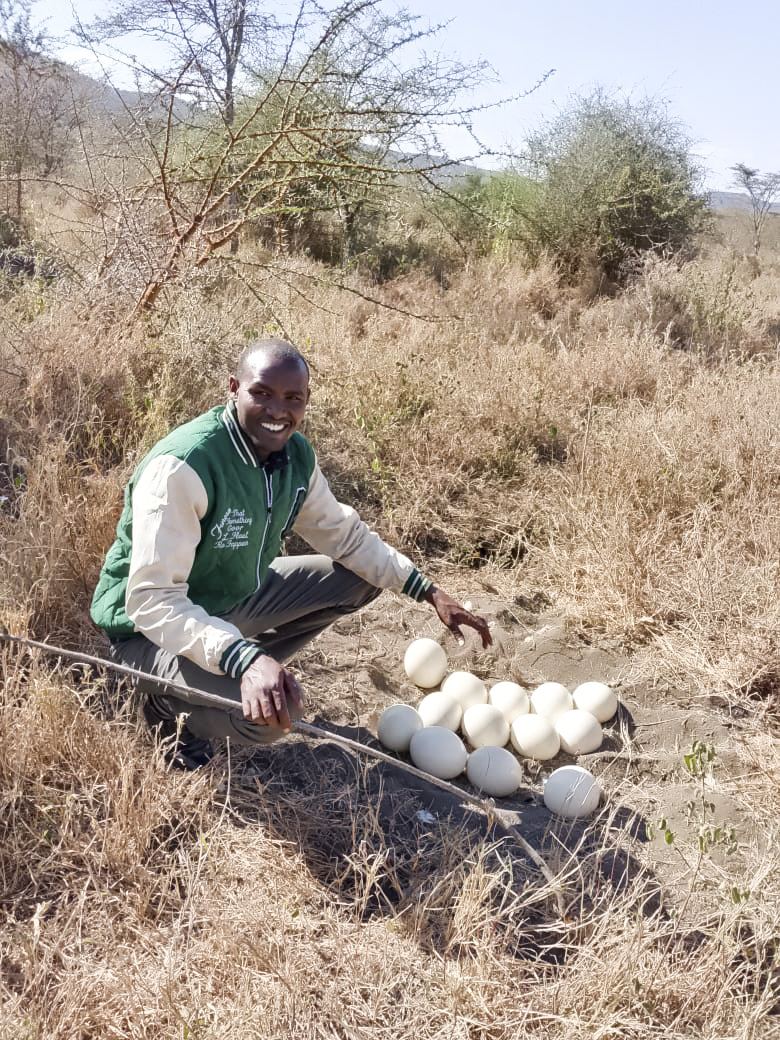
Founder & Director
Conservationist leading the initiative since 2021, working with over 200 community members to restore acacia habitats an...
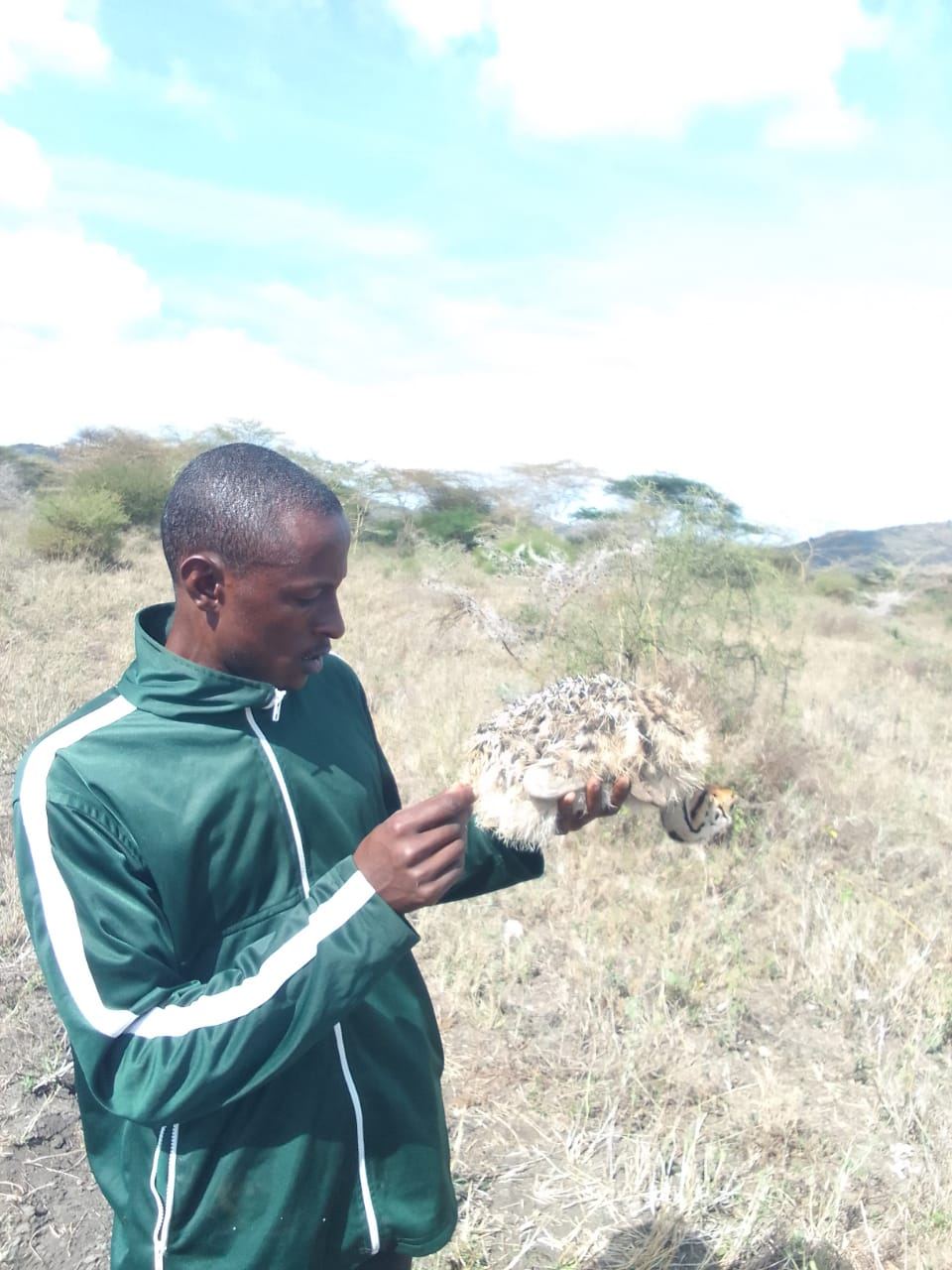
Program Coordinator
Coordinates restoration, nest adoption and school programs across Kajiado, Magadi and Amboseli.
Field Team
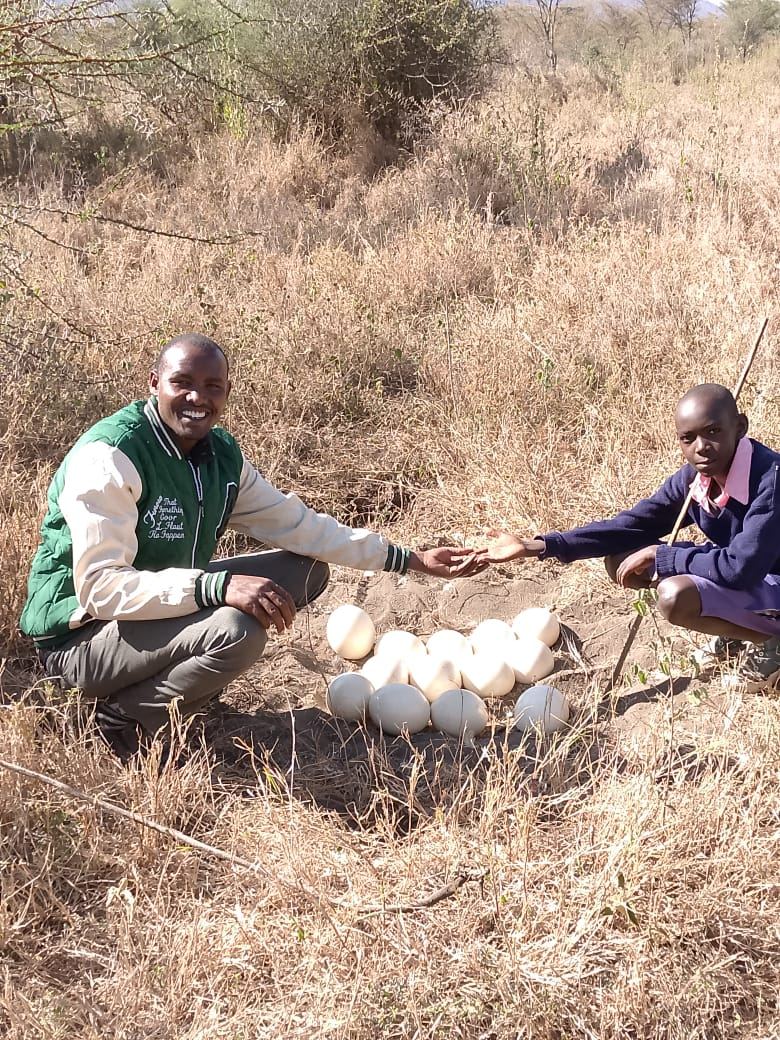
Field Team Lead
Leads community scouts and student monitors who identify, adopt and monitor ostrich nests.
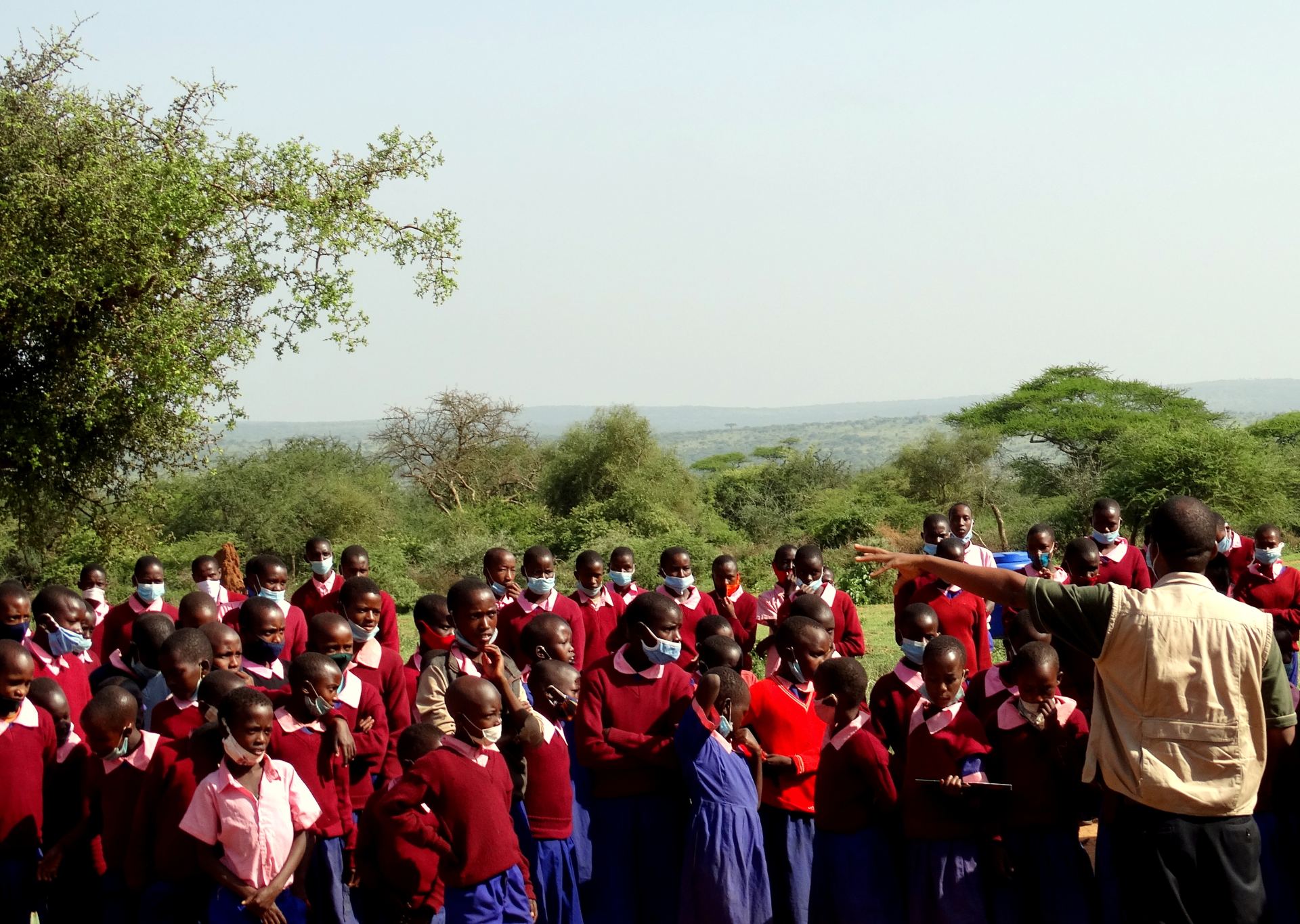
Education Officer
Runs nature interpretation excursions and teacher training on evaluating conservation education.
Working hand in hand
Conservationists, institutions, government, the private sector and local and international partner organizations.
African Beekeepers Ltd
Technical PartnerPartner in installing 45 Langstroth beehives at Nairrabala Primary School.
Nairrabala Primary School
Community PartnerHost of the school nursery, apiary and student nest monitors.
Local Learning Institutions
Academic Partner10 partner schools engaged in nature interpretation and conservation education.
Kajiado Community Members
Community PartnerOver 200 community members who run and manage the initiative.
Government Agencies
Government AgencyWorking hand in hand with national and county government on wildlife and forestry.
Conservation Partners
Funding PartnerLocal and international partner organizations and the private sector.
Every seedling and every nest needs a guardian
Your gift plants indigenous acacia, pays community nest guardians and protects ostrich eggs from predators, fire and trampling. Give via M-Pesa, card, PayPal or bank transfer.